

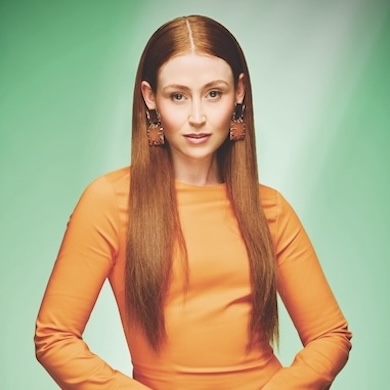
As hair trends evolve to meet the ever-changing demands of today’s clients, there’s no better time to level up your skill set to adapt. With the help of top colourists, we’re identifying some of the key looks to keep in mind this season—and delivering tips to help you turn these trends into salon-friendly opportunities.
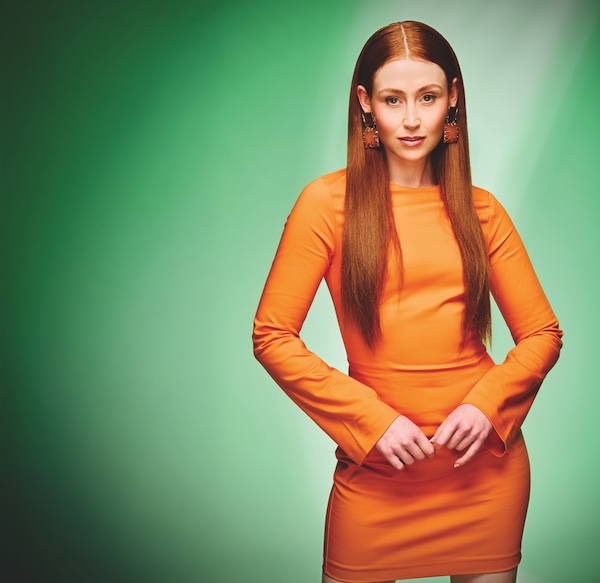
Colour remains the cornerstone of salon services, driving revenue while giving clients endless opportunities to refresh their look. While some clients are looking for the latest trends, most want bespoke, personalized services—dimensional colour that delivers healthy-looking results with low-maintenance upkeep.
“We’re still seeing a lot of these sort of elevated luxury colours that have a lot of longevity in terms of how the client can wear them,” says Tina Casciato, a Contessa-winning colourist, Goldwell educator and co-owner of Renaissance Salon & Estetica in St. Catharines, Ont. “People are still very interested in having their hair done. They want to look good and on trend, but they also are mindful of what they’re spending. I think lived-in luxury colours are really conducive to making that happen for people.”
From vanilla blondes and mushroom browns to modern coppers and vibrant fashion colours, it’s safe to say that today’s most sought-after shades have two common elements—wearability and freshness, even between appointments.
Low Maintenance
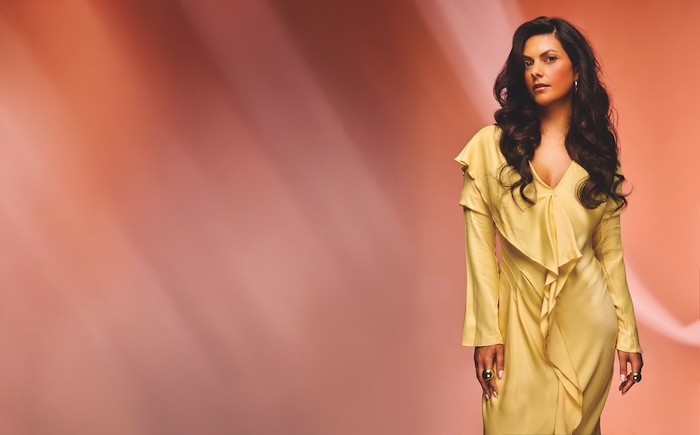
Experts agree that lower-maintenance looks are dominating the salon landscape. Along with many factors, the economy plays a role, with many clients wanting to spend less money in the salon. “Clients want fast services, and they want something they will keep for as long as possible,” says Marc-Andre Poulin, a Quebec-based international hair artist and educator for Joico. “Maintenance and longevity are key.” With that said, many don’t want to sacrifice quality. Elevated colour services are holding strong and have proven to be a great option when it comes to the longevity that clients are looking for. “Clients are kind of moving away from that flat, one-dimensional colour, and they’re choosing tones that feel expensive,” says Mario Cicciarella, an editorial stylist, educator and member of the Schwarzkopf Professional Canadian artistic team. “They want their hair to look healthy and also be effortless at the same time, whether it’s blondes, brunettes, coppers or vivid colours.”
While it’s important to know that economic challenges are impacting a wide range of clients, understanding how to adjust your business strategy to overcome these challenges with budget- friendly services is also key. “Lower-maintenance trends can have a big impact on the business side,” says Jean-Sebastien Chalut, a hairstylist at O Salon in Montreal, and an Oligo Professionnel creative artist. “That’s why we offer express services. Maybe they come in again sooner to keep things looking natural with a darker root. Sometimes it’s just a few foils to highlight or lowlight what they already have. Colour blocking can also be a great option because it’s quick.”
“It’s important to never stop evolving,” adds Cicciarella. “Even though you have X number of clients and you’re fully booked, one might move away, or one might come in less frequently. You have to continue growing yourself as a stylist, so you can’t stop looking for new clients.”
PRO TIP
TO KEEP BRUNETTES DIMENSIONAL, CHALUT SAYS HE LIKES TO ADD IN 10 GRAMS OF GOLD TO HIS REGULAR FORMULA FOR EXTRA LUMINOSITY, FOLLOWED BY A CLEAR GLOSS TO OVERLAY.
Healthy Hair
It comes as no surprise that when times get tough, people tend to go back to the basics. Perhaps most basic of all is healthy, low-maintenance hair. “It’s probably the biggest trend right now,” says Cicciarella. “People want to feel more organic, and they’re becoming really healthy with their lifestyle. It makes sense that they want that to show in their hair, too.” With expensive-looking hair trends coming down to the health—and wealth—of the hair, offering glossing services, bond-building treatments and masks can be a great way to bridge the gap while helping clients meet their overall goals. Plus, it can help support the retail revenue stream if there are complementing products from the same brand or line. “I find that people are willing to spend more on product now than they have in the past,” says Amanda Gagnier, a Pravana educator, stylist and owner of Studio A in Belle River, Ont. “Clients are more educated today and understand the quality behind the product, so even though they’re not coming in as often for colour, I find my retail sales are doing quite well because people are willing to put in the maintenance work.”
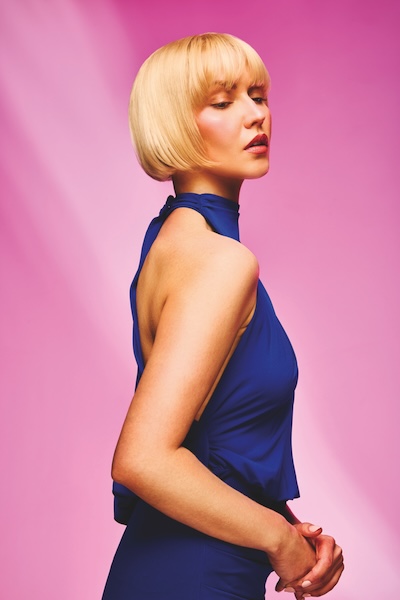
“When we cater to them and achieve the look they want, clients understand that we care about their hair and how it feels,” adds Cicciarella. “They’ve all had an experience where they’ve gone too light, or they’ve had dry hair from lightening. When you’re giving them healthy, shiny hair, that’s what brings them back—especially if you’re maintaining it [in the salon] and if they have the proper products at home. They respect that.”
“BLONDES ARE STILL AT THE TOP OF THE COLOURING FOOD CHAIN. I JUST THINK THERE’S A LOT MORE DIFFERENT APPROACHES TO BLONDES NOW.” — TINA CASCIATO, CONTESSA-WINNING COLOURIST, GOLDWELL EDUCATOR AND CO-OWNER OF RENAISSANCE SALON & ESTETICA IN ST. CATHARINES, ONT.
More Blondes
While the trends around blondes fluctuate between warm and golden to cool and icy—and everywhere in between—Cicciarella says he’s noticing an interesting shift. “Now, even the blondes are moving from the platinum icy look to something more luxurious,” he says. “That’s why you’re now seeing the beige blondes, champagne blondes and vanilla creams. That’s the biggest thing—they want it very natural-looking.”
As the demand for warmer tones continues, Poulin says the balance of yellow still needs to be accounted for. To achieve this, he recommends blending half of the formula with a cooler tone and the other half with something warmer, especially for a Venetian blonde (which blends soft golden blonde with light copper or strawberry red tones) to ensure that the violet or blue can cancel the harsh yellow that comes from more apricot-adjacent colours.
“I think blonde will continue to dominate,” Poulin adds. “People are asking for more gold tones now because everything was so ashy and cold with less reflective pigment. Now it’s all kind of rich, warm tones. We play with vanilla, warm beige and a lot of gold now, but for me, the Venetian blonde will be everywhere. I work at Fashion Week and everybody is already seeing blonde with a little bit of peach in it.” The trends will guide the way, but personalizing is key for longevity, especially with long-term clients.
“For many clients, it’s hard to shift with the season,” says Brigitte Castonguay, a colourist and Wella design team member in Longueuil, Que. “But when their tan is changing, it’s really important to embrace the fact that we need to give them more warmth—a little bit of gold. A lot of clients are afraid of gold, and we know that. I like that the current trends for fall are more like honey blonde with a bit of caramel.”
“HEALTHY HAIR IS NUMBER ONE. WE CAN GET THAT LUXURY COLOUR—AND IT ISN’T AS MUCH AS GOING LIGHTER OR DARKER. IT’S ABOUT SEEING HEALTHY, SHINY HAIR THAT’S CUSTOMIZED AND WILL BRING OUT THEIR SKIN TONE. WHEN WE TAILOR IT TO THEM AND THEY ACHIEVE THE LOOK THEY WANT, THEY’LL UNDERSTAND THAT WE CARE ABOUT THEIR HAIR AND HOW IT FEELS.” — MARIO CICCIARELLA, AN EDITORIAL STYLIST, EDUCATOR AND MEMBER OF THE SCHWARZKOPF PROFESSIONAL CANADIAN ARTISTIC TEAM
Monochromatic
Another trend that is set to dominate the season is monochromatic shades. “We’re going to lean towards more tone-on-tone colours with a lot of richness,” says Castonguay. “In fall, we know blondes tend to go warmer, and some will go darker, but I like the direction we’re going this season.”
“Espresso will be really big this season,” she adds. “I really like the fact that even though it’s monochromatic, it’s more like, ‘Is this dimensional colour or is it one tone? Is it highlights? You can see different shades, but it’s not going to be a block of colour.” As a Wella design team member, Castonguay naturally aligns with the theme for Wella’s 2026 TrendVision Awards: monochromatic. Leaning into this standout trend for their photo-based competition, the brand is asking entrants to “create work that combines minimalism with intention—spotlighting one colour family with multiple textures and tones for looks that are modern, elevated and confident.”
“With monochromatic, I use the sun as my guide,” says Castonguay. “So when my clients go to the pool and everything lightens up naturally, I just use that to create the next colour. I might keep the ends lighter for a more natural feel, but then add some depth and some lowlights. My advice is not to be afraid to break it up just a bit. Sometimes a couple of foils are all you need.”
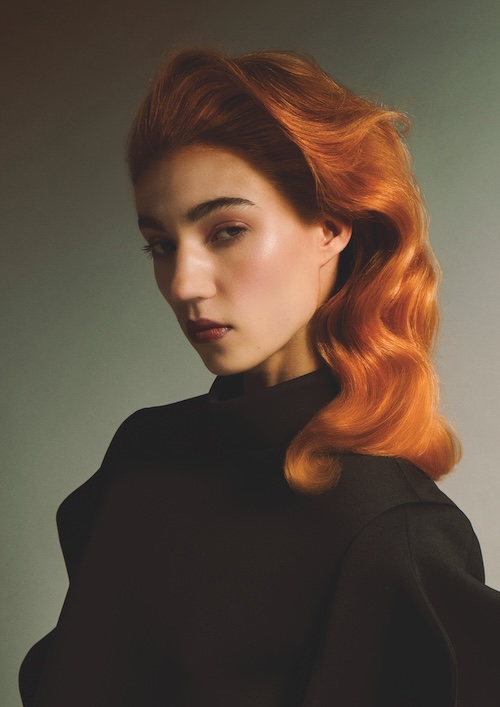
Dimensional Brunettes
The shift away from high-maintenance colour and overprocessing has resulted in many clients leaning into more brunette shades. That said, there are some shades of brown that clients are beginning to shy away from.
“We’re noticing that there’s a notable veering away from the flat colours like mushroom, which has that ashy coolness,” says Gagnier. “Now, we’re seeing more of the warmer, softer tones, like cinnamon.” One of the biggest mistakes Casciato is seeing when it comes to keeping brunettes looking dimensional is over-lightening the hair to achieve it. For her, the solution is often to keep things simple. “To do that, I’m going in with a low-ammonia or no-ammonia lightener to give it a bump without being ultra aggressive,” she says. “Or I’m using a blonding cream, which can be used as a freehand lightener, and sometimes that just shifts the colour on tone.”
Casciato adds that she has also been reaching for more clear glosses or light toners to overlay and let them do the work of enhancing the tone, as opposed to having to aggressively correct, which can ultimately flatten the colour. “When we’re looking at mushroom browns and shades that are more matte, by nature, they will look matte because those colours are ashy and reflect less light,” she says. “But a bit more warmth and reflection is flattering on almost everybody, and I think that it lends itself to looking a lot healthier and shinier in the hair. So, sometimes it means toning and then going in with a clear gloss.”
Bold and Bright
With individuality and self-expression at the forefront today, especially with younger clients who don’t always adhere to mainstream trends the way previous generations did, it’s created new opportunities for vivid tones to make their way into more salon services. “Now, the trends are more diverse and inclusive,” says Chalut. “It’s not like before when we would have one huge trend, and everybody had it. Now we have many smaller, micro trends.”
While vivids may seem intimidating to a stylist who predominantly works with more natural tones, it’s best to stick to the basics. “This isn’t just a junior mistake; it’s something even senior stylists struggle with when it comes to vivids, or even colour correction,” says Chalut. “We forget to look at the colour wheel. Sometimes in the rush of our jobs, or because we’re nervous, we forget to go back to what we learned in school.” One of the biggest mistakes that Cicciarella sees when it comes to vivids is when stylists give clients exactly what they ask for. “They’re coming in and say they want a vivid, like a smoky blue colour or a dusty lavender. The stylist gets excited because they don’t get those vivid requests all the time. Their instinct is, ‘This is great. It’s something different and something creative,’ And they’ll do it. The mistake is that the colour may not be suited for the client. It may not complement their eye colour, lifestyle or skin tone.” He adds that to prevent this type of issue, it really comes down to understanding the request and finding the best possible way to make it happen while customizing your approach.
While vivids can also be intimidating to clients because their vibrancy is famously tough to maintain, this is when a combination of product choice, at-home maintenance and overall education are key, says Castonguay. “I have tried a ton of different formulations over the years, and for fall and winter, I really like using [colour refresh] products because clients don’t necessarily want to have a cold shower in the colder months, so this is a big selling point.”
“Ensuring that clients have the right colour-safe shampoo, the right treatment and the right conditioner to really take care of the hair is key,” she adds. “A mask is something you can retail so they can maintain it.”
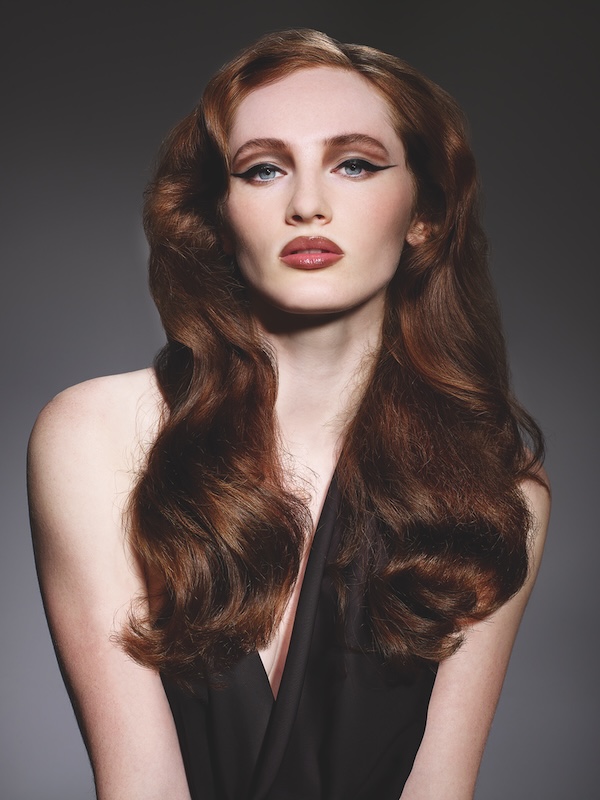
Copper Rising
While red tones are still holding strong, new trends are emerging in this space, too. “Bropper is a brown and copper together that creates a really rich warm bronze mixed with spicy copper,” says Poulin. “It’s a perfect blend, is in line with the trends and requires less maintenance than a pure copper while having more longevity than natural copper. For brunettes, it’s fun because you don’t have to highlight it to have it.” He adds that, similar to the monochrome looks, it’s a great transition for fall to play off the natural highlights from summer. And unlike the more fashion-inspired cowboy copper, it will be more of a natural tone, perfect for the lived-in looks clients are leaning towards.
With celebrity hairstylist Chris Appleton’s recent virality with the “Whiskey Copper” he created for Selling Sunset star Chrishell Stause, it’s another trend that’s set to dominate this season. “I haven’t had a request yet, but I can see it’s coming,” says Gagnier. “It’s a beautiful tone—I absolutely love it because it’s easy to maintain, looks more natural and it’s softer. It’s going to be a very popular tone like cowboy copper was for quite a while.”
PHOTO: JOSH WOODMAN, EDEN FAIRFIELD, U.K. MAKEUP: SOPHIE DOUGLAS, WARDROBE STYLING: JAMIE RUSSELL, PHOTOS: LIAM OAKES (COURTESY OF FPA) PHOTO: MARK WOOLLEY FOR ELECTRIC HAIR, LONDON, U.K., MAKEUP: JANEEN WITHERSPOON, WARDROBE STYLING: HEMYCA, PHOTOS: TIM BRET-DAY PHOTOS: JOSH WOODMAN, EDEN FAIRFIELD, U.K. MAKEUP: SOPHIE DOUGLAS, WARDROBE STYLING: JAMIE RUSSELL, PHOTOS: LIAM OAKES (COURTESY OF FPA)


Comments are closed.