

No two heads of textured hair are exactly alike. From curl patterns and porosity to density and moisture retention, understanding the unique characteristics of each client’s hair is key to creating personalized care routines and achieving better styling results. Chris Grimley, textured hair specialist and owner of Fusion Hair Co. and Texture Curl Academy, shares expert insights into the science behind curls and what hairstylists need to know to better understand textured hair.
Understand Where Curl Patterns Come From
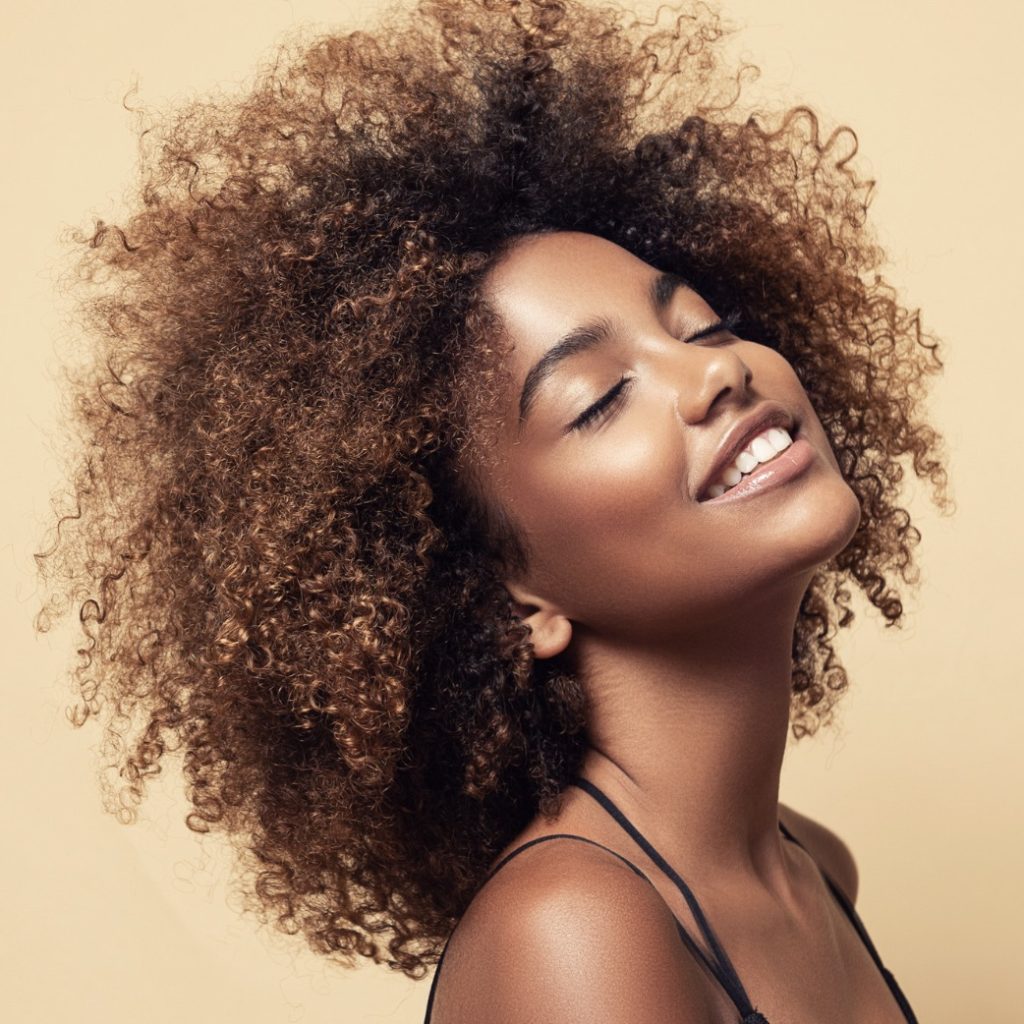
Why does one client’s hair form loose waves while another’s creates tight coils? According to Grimley, curl patterns are influenced by genetics, the shape of the hair follicle and the structure of the hair fibre itself.
Straight hair generally grows from rounder follicles, while curly and coily hair tends to grow from more oval or asymmetrical follicles. These differences influence how the hair bends and curves as it grows, creating a range of natural textures.
The structure of textured hair can also make certain areas more vulnerable to damage, which is why gentle handling, careful detangling and appropriate styling techniques are important for maintaining hair health.
Pro Tip: Consider the natural structure of a client’s hair when choosing cutting, detangling and styling techniques. A gentle approach can help minimize unnecessary stress and breakage.
Look Beyond Curl Type
Curl typing systems, such as 2A, 3C and 4C, can be useful starting points, but they don’t tell the whole story. Grimley explains that clients with the same curl pattern can have completely different hair needs.
Porosity, density, strand thickness and elasticity all influence how hair responds to products and styling techniques. Porosity describes how readily hair absorbs and retains moisture, while density refers to how much hair grows across the scalp. Strand thickness describes the diameter of individual fibres, and elasticity indicates how well the hair stretches and returns to its original shape.
Understanding these characteristics allows hairstylists to make more informed decisions about product selection, styling methods and at-home care recommendations.
Pro Tip: During consultations, assess porosity, density and strand thickness alongside curl pattern. Two clients with similar curls may need very different products and routines.
Prioritize Moisture in Every Routine
Moisture is essential when caring for textured hair. The scalp naturally produces sebum, an oil that helps lubricate and protect the hair. However, the bends and curves of curly and coily hair can make it more difficult for sebum to travel from the roots to the ends, leaving lengths and ends more prone to dryness.
“When it comes to textured hair, moisture isn’t a luxury. It’s a necessity,” says Grimley.
He recommends incorporating hydrating shampoos and conditioners into the routine, followed by appropriate styling products, such as curl creams, gels or mousses. These products can help condition the hair, enhance curl definition and provide hold, depending on the client’s individual needs.
The goal is to maintain moisture and manageability without weighing down the hair or compromising the desired finish.
Choose Products Based on Hair Needs
Not every textured hair client will benefit from the same product combination. Factors such as strand thickness, porosity and density can influence how the hair responds to different formulations.
For example, a product that provides sufficient conditioning for one client may feel too heavy on another’s hair. Similarly, some clients may need additional conditioning to help manage dryness, while others may benefit from lightweight styling products that enhance definition and hold.
Grimley emphasizes the importance of understanding the hair rather than relying solely on curl typing or following routines designed for someone else.
Pro Tip: Recommend products based on how the hair feels, responds and behaves, rather than choosing them exclusively by curl type. Encourage clients to pay attention to moisture, manageability and definition when evaluating their routine.
Work With the Hair, Not Against It
Healthy textured hair isn’t about chasing someone else’s curls or following every trend on social media. It’s about understanding the individual characteristics of the hair and developing a routine that supports its needs.
For hairstylists, this starts with a thorough consultation. Ask clients about their current routines, styling habits and biggest hair concerns. Consider how their hair responds to moisture, which products they use regularly and what results they want to achieve.
This information can help guide decisions about cleansing, conditioning, detangling, styling and maintenance between salon visits.
“Once you know how your hair is built, how porous it is, how dense it is and what it needs to stay hydrated, everything starts to make much more sense,” says Grimley. “You stop fighting your curls and begin working with them instead.”
Ultimately, understanding textured hair means recognizing that every head of hair has its own characteristics and needs. By combining this knowledge with personalized consultations and thoughtful product choices, hairstylists can help clients maintain healthier-looking curls, improve manageability and achieve results that work with their natural texture.




Comments are closed.