


From his humble Canadian roots to working in the bright lights of New York City, Sean Godard is no stranger to the world of hair. Learn how the award-winning colourist got to where he is today, and how he’s doing his part to shine a spotlight on opportunities in the beauty industry.
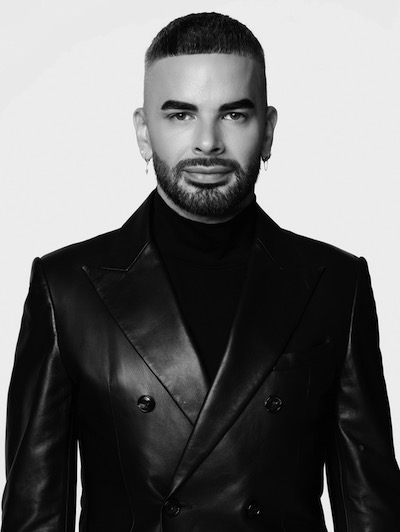
Tell us about yourself and how you got your start in the professional beauty industry.
I got my start like a lot of others did; not knowing exactly what I wanted to do for my career, but knowing I was creative and into the arts. At that time, a hairstylist was not really viewed as a solid career choice—some people probably still feel this way—but I was always interested in doing hair and would often do my hair and my friends’ hair in high school and was pretty good at it, so I figured if I went to school for it, I could be even better and make it a career. I haven’t looked back since.
You grew up in Halifax before moving to Toronto. What was that like and how did your time in Canada influence your view on hairstyling?
I started out in Halifax and was a successful stylist at my first salon job right out of school. I figured it was time to take the leap and move to the big city and try and make it. What they say about being a big fish in a small pond versus a small fish in a big pond is definitely true! It was definitely a lot harder to “make it” in Toronto than I expected. I struggled finding a salon that suited me and saw my potential. I eventually got involved with Redken and they helped me to be the best stylist that I could be by always pushing me and helping me grow. Over time, I landed in Liberty Village where I had a solid eight-year run at a salon and was really able to grow my clientele and even help run the salon. It was an amazing experience.
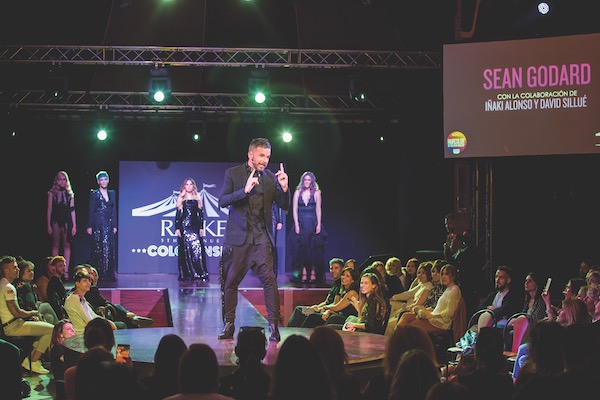
I understand that at the beginning of your career, you (like many others today) didn’t realize the number of career opportunities that are available to hairstylists. What helped change your perspective?
I think, at first, you only focus on clients in the salon, and that’s really what most stylists go into this for, but I was fortunate to be around creatives that were involved in more elements of the industry. I was also an early adapter to social media when that became a thing in 2012, and that’s truly what opened so many doors for me. Because of social media, I was discovered by Canadian fashion magazines and was asked to do my first spread. From there, I got noticed by TV producers and I went on to become an on-air makeover expert on daytime TV. I realized how incredible social media is for exposure because, in the past, these opportunities would have required a talent agent to get the job.
You’re known for your exceptional colour creations and transformations. What do you most enjoy about the hair colouring process?
I always love the full story you can create with hair colour. It takes time and patience, but it can be so much more dramatic than just a haircut. The magic in cutting is seeing the results right away, but it’s really the colour that ties it all together and completes the story.
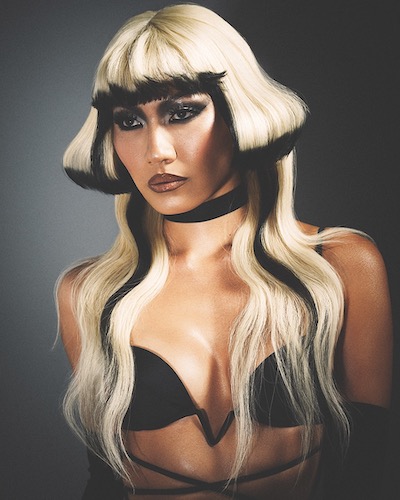
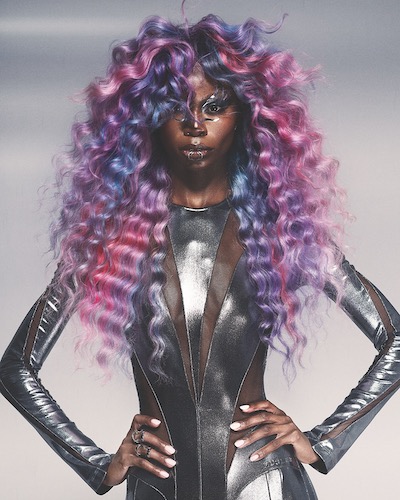
You recently won the Haircolor award at the North American Hairstyling Awards (NAHA). Why are photo-based competitions, such as NAHA and the Contessa Awards, important to you and important for the industry?
This was my second time winning NAHA for Haircolor. I really started competing later in my career because, for the first part of it, I was always focused on education and helping other stylists. Competing in photo competitions is really a great way to elevate your name within the industry among other professionals and major brands that take note of these accolades. Don’t give up on it! It took me a few entries before I actually won.
Since the pandemic and with inflation, we’ve been seeing a shift in consumer behaviour with clients wanting to return to the salon less frequently. As a colourist, what are your thoughts on this? What advice do you have for other colourists on ways to build business in the salon?
We’ve seen that shift, but also the shift in trend to being more “lived in,” and honestly, all these trends still require maintenance. I see some of my clients only twice a year for heavy lifting, but every six to eight weeks for a gloss to maintain tone. We just need to realize that this ultimately allows us to book more clients because I’m a firm believer that if your work can grow out well, it increases its value because you’re saving the clients time and money. So [my advice is to] look at it like you don’t see them as often, but when you do, you can charge more. Also, if you break it down and add up the glossing services in between, you end up still making the same ticket from that client. The good news is, it allows you to take on even more clients. The best referral is always word of mouth, and if you can keep someone’s colour looking good for six months, they will tell everyone they know. I built my brand around low- maintenance colour and my clients loved me for it and sent me tons of referrals.
While colour corrections can be great for business, they can often be a challenging and time-consuming process. Any tips on how to handle these? Is there anything about the process that you’ve struggled with and how did you overcome it?
The most important thing is to always underpromise and overdeliver. In the consultation, I always make it clear on what is achievable in one visit and recommend a process of several visits versus trying to do it all in one day. Sometimes this can be done within a few weeks, if their budget allows, but it always gives the hair a break in between to recover. I used to go in hard to try to get the end result in one session but, to me, it’s all about the hair integrity. What good is damaged hair in the end, because it won’t hold onto the final colour or even style well. Ultimately, it’s all about being real with clients. We’re beauticians, not magicians. In the past, I’ve said “no” to clients and they went elsewhere and got their hair damaged. Then they came back to me and listened to my advice. I think the easiest way to avoid self- created colour corrections is realizing that when clients ask for a major change, you should always proceed with caution because half the time, they will end up right back where they started. Once a blonde, always a blonde!
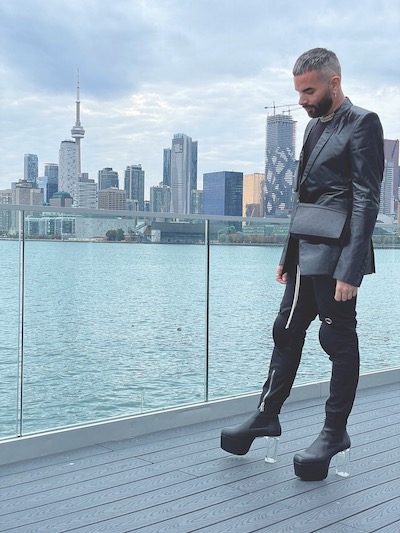
You’ve been working with Redken now for more than 15 years. What do you most enjoy about working with the brand?
What I love most is the connection I can make with stylists around the world, helping them simplify hair colour and, ultimately, become more successful behind the chair. For me, it’s all about giving back to the community and Redken truly focuses on that as well. This is our motto: “Learn better to earn better to live best.”
With Redken Fusion coming up in October, what’s it like for you to return to Toronto for the event? What can people expect from this year’s event?
It’s always great to return to Canada and connect with stylists I’ve known for so many years who’ve always supported me on my education journey by coming to classes and events. I’m really excited for my class, Hollywood Hair Color, where I’ll be sharing all my tips and tricks that I use on celebrities to create red-carpet- worthy colour.

What’s next for you? Anything you’re working on that you can share with us?
I’m expanding beyond hair colour and I’ll be leading the hair team for a fashion show at Paris Fashion Week. I couldn’t be more excited! I also just finished shooting the global campaign for Redken, which will roll out in 2025. This was a major accomplishment for me because I’ve assisted on these campaigns for 10 years now, but this was my first time getting to lead the entire shoot. I can’t wait for everyone to see it!


Comments are closed.