

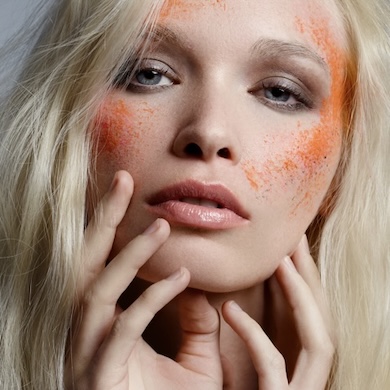
Pear-shaped faces are becoming increasingly common in salons today, says Vivienne Mackinder, founder of Vivienne Mackinder Education. Characterized by more volume in the lower third of the face, including the cheeks, jawline, and neck, pear-shaped faces are often subtly oval overall. For stylists, the goal remains the same no matter the client’s face shape: create the illusion of a balanced, oval face. Understanding how to manipulate hair for pear-shaped clients is essential to achieving this ideal.
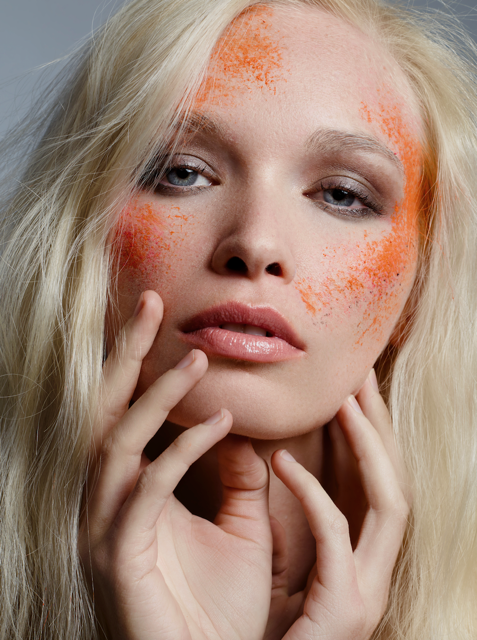
Pear-shaped faces are common for two main reasons. First, an aging population experiences softening jawlines and dropping chins, which visually add weight to the lower part of the face. Second, weight gain often appears in the cheeks, jawline, and neck while the forehead remains unchanged, naturally creating a pear-shaped silhouette.
Designing Haircuts for Pear-Shaped Faces
When designing for pear-shaped faces, stylists can use hair to rebalance proportions and bring the face closer to the ideal oval. Mackinder emphasizes the importance of sensitivity to facial balance: “When someone says, ‘I want a heavy, boxed-in fringe,’ we must be very aware of maintaining the oval shape.” To slim the jawline visually, add volume at the temples and crown. Fringes can also be a strategic tool. Soft, asymmetric side-swept fringes suit round or square faces, rectangular faces benefit from a structured fringe, and diamond-shaped faces can be enhanced with a well-placed fringe.
By understanding the principles of design and the law of thirds, stylists can transform pear-shaped faces into harmonious, oval silhouettes, proving that haircutting is as much science as it is art.
Credits: Photography: Roberto Ligresti; Makeup: David Maderich; Color: Gion Vincent; Hair: Vivienne Mackinder.


Comments are closed.